Thailand Origin
Sourced in Thailand, where several commercially recognized sweet tamarind varieties are cultivated.
Thai Fresh Fruit · B2B Sourcing
Source Fresh Thai Sweet Tamarind from Thailand for wholesale, distribution and retail supply. ThaiMahapoke supports international buyers with supplier sourcing, product specification coordination, packaging requirements, inspection arrangements where required, export documentation coordination and shipment planning.
01 · Commercial Overview
Commercial highlights for importers, wholesalers, distributors and retail buyers evaluating whole Thai sweet tamarind pods.
Sourced in Thailand, where several commercially recognized sweet tamarind varieties are cultivated.
Unlike sour tamarind commonly purchased for processing, sweet tamarind is suitable for direct consumption after the shell and fibrous strands are removed.
Commercial sourcing may include Prakai Thong, Sri Chomphu and Si Thong, subject to seasonal availability and supplier confirmation.
Varieties can differ in pod shape, shell appearance, flesh color and sweet or mildly sweet-tart flavor profile.
Suitable for importers, produce distributors, wholesalers, Asian grocery channels and selected retail programs.
Export carton, retail-pack and buyer-specific configurations may be discussed according to quantity, destination and supplier capability.
02 · Varieties & Commercial Options
Availability varies by origin, season, supplier and crop conditions. Buyers requiring a named variety should specify it in the RFQ.
Known for relatively large pods with a slightly curved shape, brown shell and soft light-brown flesh. Its flavor is characteristically sweet.
Sweet profileWhole podsTypically has a straighter pod form, light-brown shell and reddish-brown flesh. Its flavor can combine sweetness with a mild sour note.
Sweet-tart profileWhole podsCharacterized by relatively large curved pods, brown shell and soft reddish-brown flesh with a sweet flavor.
Sweet profileCurved podsOther locally traded varieties may be available according to sourcing area and season. Availability is confirmed upon inquiry.
Commercial size requirements should be defined by the buyer rather than assumed from a universal A/B/C grading system.
03 · Buyer Comparison
| Option | Typical Commercial Character | Buyer Consideration |
|---|---|---|
| Prakai Thong | Larger, slightly curved pods; sweet profile | Retail and wholesale programs prioritizing sweet flavor and pod presentation |
| Sri Chomphu | Straighter pods; reddish-brown flesh; sweet with a mild tart note | Markets accepting a more balanced sweet-tart profile |
| Si Thong | Larger, curved pods; sweet profile | Buyers prioritizing curved whole-pod presentation |
| Other varieties | Characteristics vary | Confirm variety, availability and commercial specification before ordering |
Variety alone should not determine a purchasing decision. Importers should also specify desired pod condition, size consistency, packing format and destination requirements.
04 · Product Identity
Fresh Thai Sweet Tamarind is the ripe, sweet form of Tamarindus indica L. supplied as whole pods for direct consumption and commercial distribution.
A mature sweet tamarind pod has a brittle brown outer shell surrounding fibrous strands and edible flesh around the seeds. The flesh may range from sweet to mildly sweet-tart depending on variety and crop characteristics.
Sweet tamarind should be distinguished from sour tamarind, which is widely used as an ingredient in sauces, seasonings, beverages and food processing.
For international fresh-produce buyers, whole Thai sweet tamarind is primarily relevant to:
If the requirement is paste, pulp, concentrate, seedless or sour tamarind, a different product specification should be used.
05 · Procurement Specifications
| Product Name | Fresh Thai Sweet Tamarind |
|---|---|
| Common Name | Tamarind / Sweet Tamarind |
| Botanical Name | Tamarindus indica L. |
| Country of Origin | Thailand |
| Commercial Form | Whole ripe sweet tamarind pods |
| Varieties | Prakai Thong, Sri Chomphu, Si Thong and other varieties subject to availability |
| Shell | Brown to light brown depending on variety and condition |
| Flesh | Light brown to reddish brown depending on variety |
| Flavor | Sweet to sweet-tart depending on variety |
| Size | Subject to buyer specification and available crop |
| Maturity / Condition | Confirmed according to buyer specification |
| Packing | Export or retail configuration confirmed before quotation |
| Origin / Shipment Documentation | Subject to destination and shipment requirements |
ThaiMahapoke does not publish a universal Grade A/B/C specification for this product because grading terminology and acceptable tolerances can vary between suppliers and buyers.
06 · Export Packing
Whole sweet tamarind pods require packaging that helps protect the relatively brittle shell from excessive compression and impact during handling and transport.
Corrugated export cartons may be used for wholesale and distribution orders. Carton dimensions, net weight and internal configuration are confirmed according to buyer requirements.
Consumer-size packs may be discussed for supermarket, Asian grocery or branded retail programs. Formats are subject to supplier and packing capability.
Internal protection may be considered where required to reduce movement, pressure and pod breakage during distribution.
Buyer-specific packing configurations may be evaluated according to target market, quantity, preferred pack size, labeling, palletization and transportation method.
07 · Import & Order Planning
Confirmed upon inquiry. MOQ may depend on variety, season, packing format, supplier availability and shipment method.
Supply varies according to variety, producing area and crop conditions. Current availability should be confirmed for the intended shipment period.
Trade-term quotations may be evaluated according to quantity, specification, packaging, destination, port and current logistics conditions.
Confirmed according to order volume, destination, required delivery window, packing format and product condition.
Confirmed upon inquiry after product specification, quantity, packing and destination are known.
Confirmed during commercial negotiation. No unverified payment term is published on this page.
Buyer-requested or third-party inspection arrangements may be discussed where applicable and agreed before shipment.
Required documentation depends on importing country, product and shipment arrangement.
Please provide destination country, port/airport and applicable import requirements when requesting a quotation.
08 · Buyer Segments
For importers sourcing Thai fruits for regional wholesale and retail distribution.
Suitable for businesses supplying specialty fruit shops, Asian food stores and produce retailers.
Can fit tropical fruit, Asian fruit or specialty produce assortments where appropriate.
Particularly relevant to channels serving consumers familiar with Thai and Southeast Asian produce.
May suit restaurants or hospitality buyers requiring whole sweet tamarind for direct presentation or culinary use.
Buyers seeking paste, pulp, seedless or concentrate forms should use a separate processed-product specification.
09 · Quality & Handling
Quality evaluation for whole sweet tamarind differs from that of soft, high-moisture tropical fruits. Pod integrity and shell condition are particularly important.
Because the outer shell can be brittle, cartons and internal packing should be handled to reduce crushing, excessive vibration and impact.
Storage and transport conditions should be confirmed according to actual product condition, packing method, shipment duration and supplier recommendation.
No unverified fixed storage temperature or guaranteed shelf life is published.
Where requested, pre-shipment or third-party inspection arrangements may be discussed. Scope should define characteristics such as variety, packing, quantity, appearance and agreed defect tolerances.
10 · Retail & Branding
Private-label and buyer-branded packing may be explored for importers, distributors and retail programs, subject to supplier capability and final confirmation.
Buyer-branded cartons or retail pack branding may be discussed.
Product information labels, barcode placement and country-of-origin information may be coordinated according to requirements.
Carton marks, labeling and custom packing configurations can be evaluated against destination-market needs.
11 · Sourcing Partnership
ThaiMahapoke supports B2B sourcing coordination without making unsupported claims about farm ownership, packing-house ownership or production capacity.
Coordinate available supply according to product type, variety, quantity and buyer specification.
Help translate buyer requirements into clear commercial specifications covering variety, pod condition, size and packing.
Discuss suitable wholesale, retail or buyer-specific packing requirements with the relevant supply side.
Where required, coordinate discussion of buyer-requested or third-party inspection arrangements.
Help align product and shipment documentation requirements with the agreed transaction and destination.
Coordinate information required for shipment planning and provide a sourcing contact for specification clarification.
12 · Buyer FAQ
Commercial sourcing may include Prakai Thong, Sri Chomphu, Si Thong and other Thai sweet tamarind varieties. Availability depends on season, sourcing area and supplier supply and should be confirmed upon inquiry.
No. Sweet tamarind is selected for a naturally sweet or sweet-tart eating profile and is commonly consumed directly, while sour tamarind is commonly used for cooking and processing. Buyers should clearly state which product type they require.
Yes. Include the required variety in your RFQ. Availability and commercial specification will be confirmed before quotation.
Size varies by variety and crop. Instead of using an assumed universal grading system, buyers should state their preferred pod size, presentation or other measurable specification. Available sizing is confirmed upon inquiry.
Wholesale export cartons, retail-oriented packs and custom configurations may be discussed depending on quantity, destination and supplier capability. Final pack size and carton configuration are confirmed before quotation.
MOQ is confirmed upon inquiry because it may depend on current availability, variety, packing format and shipment arrangement.
Availability can vary by season, variety, source and stored commercial supply. Buyers should request current availability for their intended shipment period rather than assume continuous year-round supply.
FOB or CIF options may be discussed based on the product specification, quantity, packing, destination and current logistics conditions. Final trade terms are confirmed during quotation.
Buyer-requested or third-party inspection may be discussed where applicable. Scope, timing, cost and inspection criteria should be agreed before shipment.
Important points can include variety, pod size, size consistency, shell condition, acceptable cracking or breakage, visible defects, mold or insect tolerance, packing and labeling requirements.
Private-label or buyer-branded packaging may be possible depending on order quantity, packing format and supplier capability. Details must be confirmed before quotation.
Please provide your required variety, product condition, size requirement, quantity, packaging, destination country and port, preferred FOB/CIF term, shipment method if specified, private-label needs, inspection requirements and any destination-specific requirements.
13 · Request a Quotation
For a commercially meaningful quotation, provide as much information as possible about your required variety, specification, quantity, packing, destination and trade term.
No fixed FOB price is displayed because pricing depends on the final specification, availability, quantity, packing and logistics.
14 · Mini Buying Guide
Confirm that you require whole sweet tamarind pods for direct consumption. Paste, pulp, seedless, concentrate or sour tamarind require different specifications.
Prakai Thong, Sri Chomphu and Si Thong differ in pod characteristics and flavor profile. Select according to consumer preference and commercial presentation.
Do not rely only on “premium grade.” Define variety, pod size, consistency, shell condition, acceptable cracking, breakage and visible-defect tolerances.
State whether your program requires wholesale cartons, retail packs, supermarket presentation, private label or buyer-branded cartons.
Whole sweet tamarind has a relatively brittle shell, so packing and handling should help minimize crushing and unnecessary movement.
Shipment decisions should consider quantity, destination, timing, product condition and packing format rather than one logistics assumption for every market.
The importer should verify applicable entry, documentation, labeling, phytosanitary and other destination-specific requirements before final shipment arrangements.
Clear variety, size, quantity, packing, destination and trade-term information makes sourcing comparison and quotation more meaningful.
15 · Related Fresh Produce
Related products selected for overlapping importer, wholesaler, distributor and tropical-fruit retail channels.

Thai tropical fruit for fresh produce importers, distributors and retail programs.

Specialty Thai fruit serving many Asian produce and tropical fruit distribution channels.

Large-format citrus for importers, produce wholesalers and retail fruit programs.
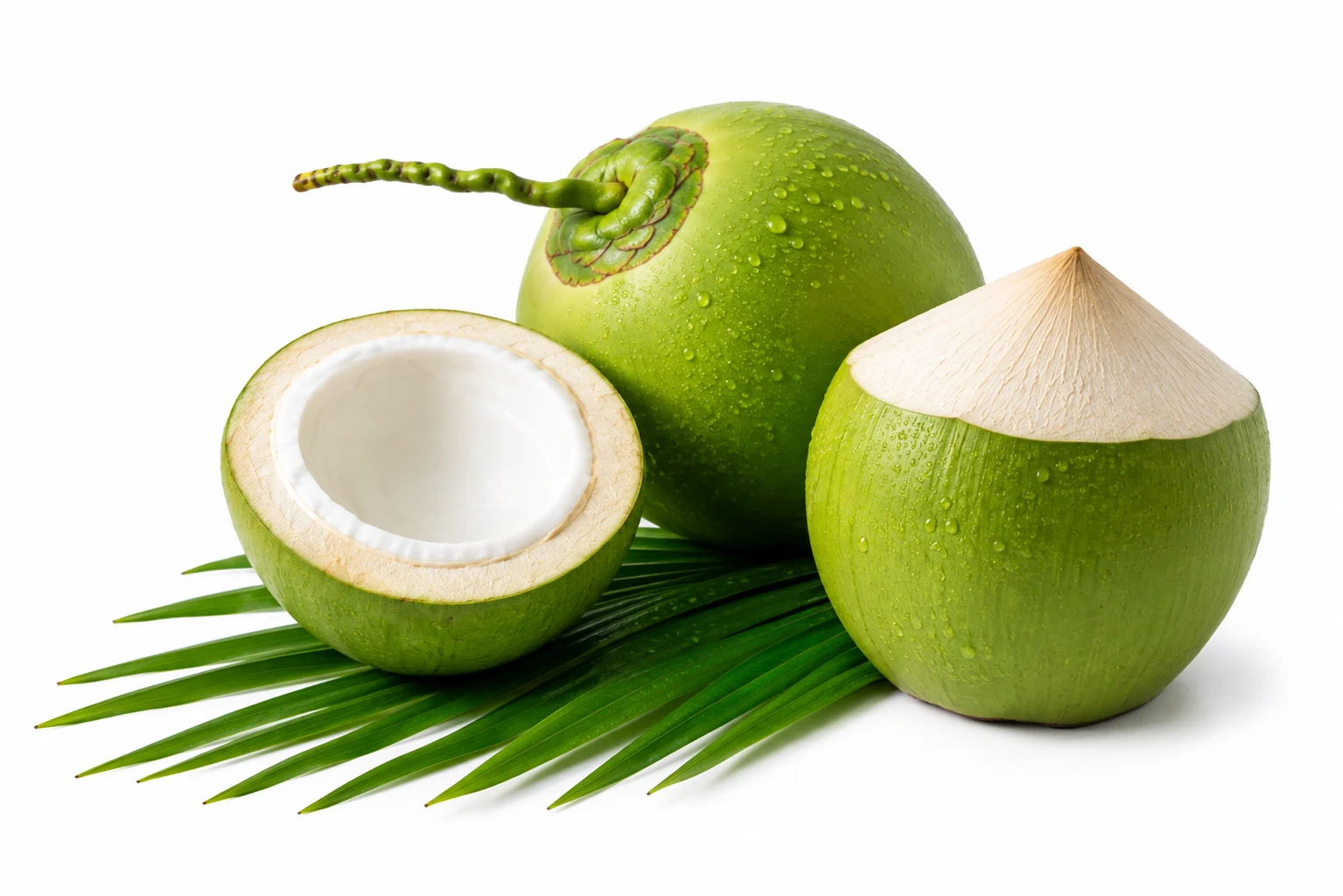
Recognizable Thai-origin fresh produce for import, retail and food-service distribution.
Product availability, specification and export suitability should be confirmed individually for each item.