Thailand Origin
Sourced in Thailand according to the requested commercial specification and current seasonal availability.
Source fresh Thai rose apple from Thailand for international wholesale, distribution, retail and food-service requirements. ThaiMahapoke supports B2B buyers with product sourcing, commercial specification coordination, export packing requirements and quotation preparation according to requested variety, quantity, destination and shipment requirements.
Also known in some markets as wax apple, Thai rose apple is valued for its crisp texture, juicy flesh and distinctive bell-shaped appearance.
A commercial overview for importers, fresh-produce wholesalers, distributors and retail buyers evaluating Thai rose apple sourcing.
Sourced in Thailand according to the requested commercial specification and current seasonal availability.
Named commercial cultivars may include Thapthim Chan and Phet Sam Phran, with final availability confirmed for each inquiry.
Rose apple is known for a light, crisp and juicy flesh suited primarily to fresh-market distribution.
Color, shape, skin condition and size consistency can be defined according to buyer and retail-channel requirements.
Packing should account for the fruit's thin skin, sensitivity to abrasion and need to limit avoidable movement and moisture loss.
MOQ, exact size, packing, shipment method and commercial terms are confirmed upon inquiry rather than published as fixed values.
Rose apple should be sourced by cultivar and buyer-defined commercial characteristics rather than by an invented Grade A/B/C system.
Thapthim Chan, also written in English references as Tub-Tim-Jun or similar transliterations, is a recognized Thai commercial rose apple cultivar. It is commonly associated with red-toned fruit and fresh-market presentation.
Availability, fruit size, color and packing specification are confirmed for the requested shipment period.
Phet Sam Phran is another recognized Thai commercial cultivar. Sourcing suitability should be evaluated according to current crop, fruit size, appearance, destination and buyer requirements.
Subject to seasonal and supplier availability.
Other Thai rose apple cultivars may be available according to producing area, season and supplier program. Buyers requiring a named cultivar should state it clearly in the RFQ.
Buyers can request a preferred commercial size, individual fruit weight range where appropriate, or a market-specific size specification. Final size range is confirmed from actual available supply before quotation.
Important: ThaiMahapoke does not publish invented S/M/L gram ranges or Grade A/B/C definitions. Variety, size, color, maturity and appearance are confirmed against buyer requirements and current crop availability.
| Commercial Consideration | Thapthim Chan | Phet Sam Phran | Buyer Decision |
|---|---|---|---|
| Variety identity | Recognized Thai commercial cultivar | Recognized Thai commercial cultivar | Specify named cultivar when required by your market |
| Skin appearance | Often associated with red-toned fresh-market fruit | Confirm current crop appearance | Define target color and cosmetic tolerance |
| Size | Multiple market sizes may occur | Multiple market sizes may occur | Confirm actual size/weight range before quotation |
| Maturity | Shipment-specific | Shipment-specific | Match maturity to transit and receiving condition |
| Retail use | Suitable where appearance and variety identity are valued | Suitable subject to market preference | Prioritize uniformity, skin condition and presentation |
| Packing | Protect thin skin and fresh appearance | Protect thin skin and fresh appearance | Match inner protection and carton format to logistics |
For supermarket and specialty retail programs, cultivar identity, consistent visual appearance and buyer-defined sizing may be important. For general wholesale or food-service distribution, practical availability, fruit condition, packing and delivered commercial value may carry more weight than cultivar name alone.
Thai rose apple is a tropical fresh fruit grown in Thailand and marketed internationally as rose apple. Commercial Thai rose apples are commonly associated with Syzygium samarangense, which is also called wax apple in international trade and horticultural references.
The fruit typically has a bell- or pear-like shape, smooth thin skin and pale, crisp, airy and juicy flesh. Skin color varies by cultivar and maturity and may range from lighter green or pink tones to deeper red.
Rose apple is mainly consumed fresh. Compared with a conventional temperate apple, its flesh is lighter and more porous, and fresh-market value depends strongly on crisp condition, surface appearance and moisture retention.
Because rose apple is considered a non-climacteric fruit, harvest maturity and expected receiving condition should be planned before shipment rather than relying on substantial ripening after harvest.
| Product Name | Fresh Thai Rose Apple |
|---|---|
| Common Trade Name | Rose Apple |
| Alternative Market Name | Wax Apple |
| Botanical Association | Syzygium samarangense |
| Country of Origin | Thailand |
| Product Form | Fresh whole fruit |
| Commercial Variety | Thapthim Chan, Phet Sam Phran or other available Thai cultivars — confirmed upon inquiry |
| Size / Weight | Subject to buyer specification and available crop; confirmed before quotation |
| Skin Color | Variety- and maturity-dependent |
| Flesh | Typically pale, crisp and juicy; cultivar-dependent |
| Maturity | Confirmed according to buyer, transit and receiving-condition requirements |
| Appearance | Commercially selected according to agreed color, shape, surface condition and uniformity requirements |
| Defect Requirement | Confirmed according to buyer-defined tolerance and final specification |
| Packing | Export carton / protective inner packing / retail-oriented format subject to confirmation |
| Storage Program | Confirmed according to cultivar, maturity, packaging, transit plan and destination |
| Shipment Method | Evaluated according to product condition, quantity, route and transit requirements |
| Final Specification | Confirmed before quotation and shipment |
No universal shelf life or storage temperature is claimed on this page. Final handling parameters should be validated for the selected cultivar, packing format, transit plan and supply program.
Export cartons may be considered according to buyer specification, fruit size and shipment requirements. Carton strength, ventilation, stacking and product protection should be reviewed together.
Where commercially appropriate, trays, dividers or other internal separation may help reduce fruit movement and avoidable surface abrasion. Final materials are subject to supplier capability.
Individual or grouped protective wrapping may be considered where additional separation, moisture management or retail presentation is required.
Retail-oriented packs may be discussed for supermarket and specialty grocery programs subject to order quantity, pack format, labeling and supplier capability.
Packing should balance ventilation with protection against excessive moisture loss, while avoiding configurations that increase condensation or physical damage.
Carton dimensions, net weight, fruit count, inner packing, pallet configuration and shipment loading are confirmed only after the actual packing program is agreed.
| MOQ | Confirmed upon inquiry |
|---|---|
| Order Quantity | Buyer to specify |
| Variety | Confirmed according to seasonal and supplier availability |
| Size / Weight | Buyer-defined; final range confirmed before quotation |
| Color / Appearance | Confirmed according to cultivar, maturity and buyer specification |
| Seasonal Availability | Confirmed for the requested shipment period |
| Packaging | Confirmed according to buyer, product and shipment requirements |
| FOB | Quotation reviewed subject to final specification and named shipment point |
| CIF | Evaluated according to destination port or airport and logistics requirements |
| Destination | Buyer must provide country and port or airport |
| Shipment Method | Confirmed based on fruit condition, quantity, route, transit time and destination requirements |
| Lead Time | Confirmed upon inquiry |
| Inspection | Buyer-requested or third-party inspection may be discussed subject to agreed scope and arrangement |
| Payment Terms | Confirmed during commercial negotiation |
| Export Documents | Confirmed according to destination and transaction requirements |
| Private Label | Subject to quantity, format, supplier capability and final confirmation |
Rose apple is a delicate fresh fruit whose retail value depends heavily on condition and appearance. Air freight may be considered where shorter transit is important. Sea freight should be evaluated case by case against cultivar, maturity, packing, route, temperature management and expected receiving condition rather than assumed suitable for every destination.
For import programs supplying Thai and Southeast Asian fresh produce into regional wholesale and retail channels.
Suitable for wholesalers serving fruit markets, specialist retailers, restaurants and regional distributors.
For distributors serving Asian grocery, specialty fruit, supermarket and food-service customers.
Programs may prioritize visual uniformity, cultivar, size consistency, retail pack, labeling and reliable receiving specifications.
Rose apple is familiar across many Asian consumer markets and can complement broader Thai tropical-fruit assortments.
Potential uses include fresh fruit service, fruit platters, buffet presentation, salads and other fresh applications where crisp condition is important.
Commercial evaluation should consider characteristic color, surface freshness, bruising, abrasion, cuts, compression, shriveling and visible decay according to the agreed specification.
Rose apple can lose fresh appearance through water loss and shriveling. Packaging and handling should therefore consider moisture retention together with ventilation and product protection.
Rose apple is non-climacteric, so the appropriate commercial maturity should be selected before shipment rather than relying on substantial postharvest ripening.
Thin skin and fresh-market presentation make careful handling important. Carton and inner-pack design should minimize rubbing, compression and avoidable movement.
Temperature management must be product-specific. Inappropriate low-temperature exposure can cause chilling-related damage, while warm handling can accelerate deterioration. A universal guaranteed temperature is therefore not published here.
Where required, inspection requirements may cover variety, size, color, appearance, visible defects, packing, quantity and labeling. Scope and inspection party must be agreed before shipment.
Custom printed or labeled cartons may be considered subject to order quantity, supplier and packaging capability.
Buyer-required product information, origin details, label language and barcode format can be reviewed when specifications are provided.
Consumer-oriented packs may be considered for supermarket or specialty grocery programs subject to quantity, format and final confirmation.
Required labeling and product information should be confirmed against the destination market and importer requirements before production.
Private-label availability is not automatically guaranteed. It depends on order quantity, packaging format, printing or labeling requirements, supplier capability and final commercial confirmation.
Coordinate sourcing options according to requested cultivar, commercial specification and shipment period.
Buyer requirements can be defined around variety, size, maturity, color, appearance, packing and destination.
Export and retail packing requirements can be reviewed before quotation so the offer reflects the intended distribution channel.
Where requested, inspection scope can be discussed subject to provider availability, cost and commercial agreement.
Required transaction and shipment documentation can be reviewed according to destination and agreed commercial terms.
Product condition, route, transit time, quantity, packaging and destination requirements can be evaluated together before shipment terms are finalized.
Provide variety, size, appearance, maturity, quantity, packing, destination and shipment requirements for a relevant quotation. Fixed FOB or CIF prices are not published because fresh-produce pricing depends on current supply, specification, packing and logistics.
Define whether the fruit is intended for premium retail, Asian grocery, wholesale or food service. The best cultivar, size and presentation can differ by channel.
If Thapthim Chan or Phet Sam Phran is required specifically, state it in the RFQ. Do not approve substitutions where cultivar identity matters to the market.
Specify preferred color, size uniformity, shape, surface condition and acceptable cosmetic tolerance because fresh rose apple is appearance-sensitive.
Avoid relying only on “large” or “medium.” Use a buyer-defined weight, dimension or agreed commercial range where possible, then confirm current crop availability.
Because rose apple is non-climacteric, maturity and expected receiving condition should be planned together with transit time and distribution requirements.
For thin-skinned fruit, internal movement, abrasion, compression and moisture loss can affect arrival quality. Packing should therefore be evaluated as part of the product specification.
The correct shipment mode depends on route, transit time, fruit condition, cultivar, packing, quantity and required arrival quality—not freight cost alone.
Before finalizing the order, the importer should verify applicable import eligibility, plant-health requirements, documentation, labeling, inspection and other destination rules.
Recommended RFQ: Variety + Size / Weight + Color / Appearance + Maturity + Quantity + Packaging + Destination + Port / Airport + Incoterm + Shipment Method + Inspection Requirements.
Complementary Thai fresh fruits relevant to similar importer, wholesale, distribution and retail buyer groups.
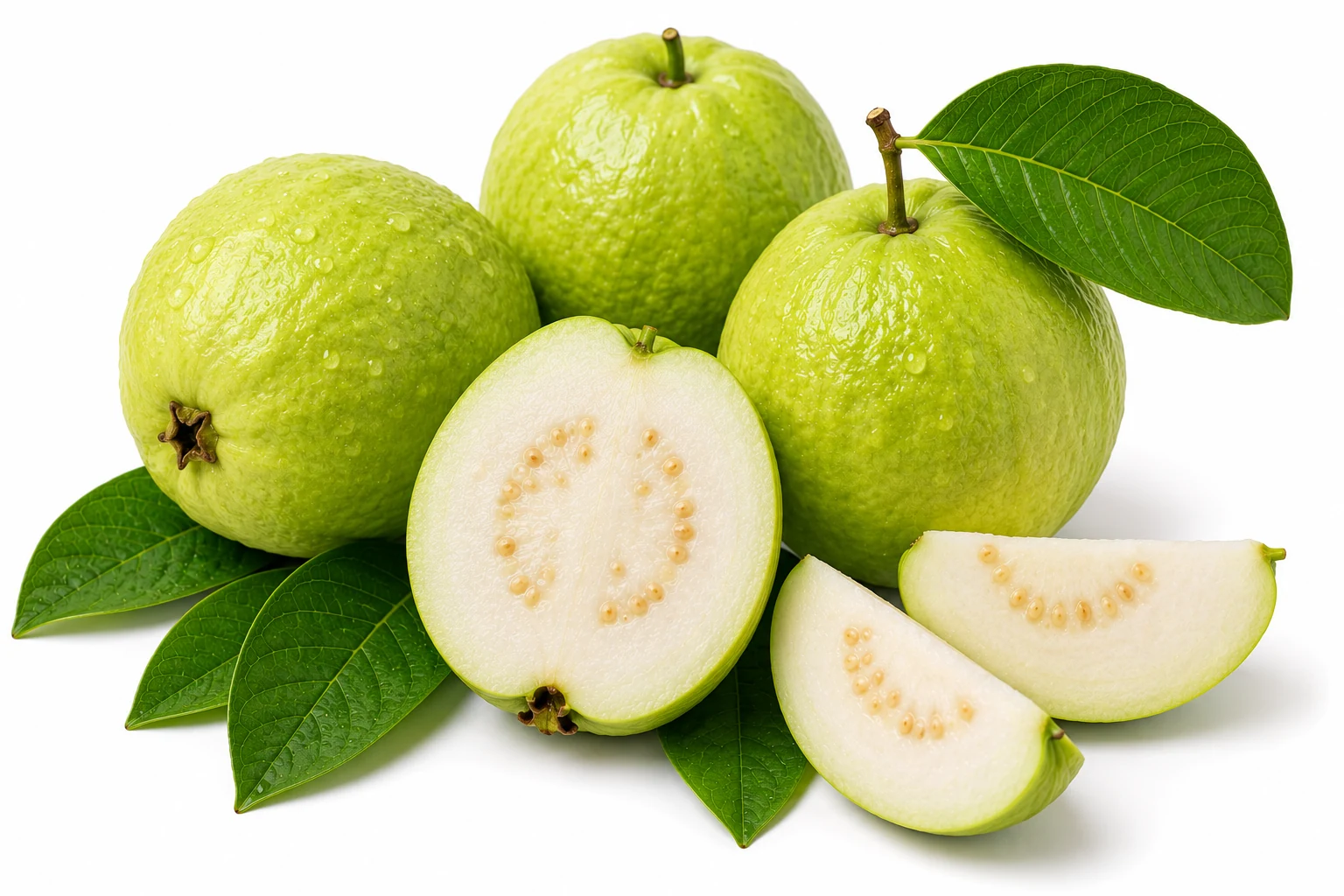
For fresh produce importers, Asian grocery distribution and wholesale fruit programs.
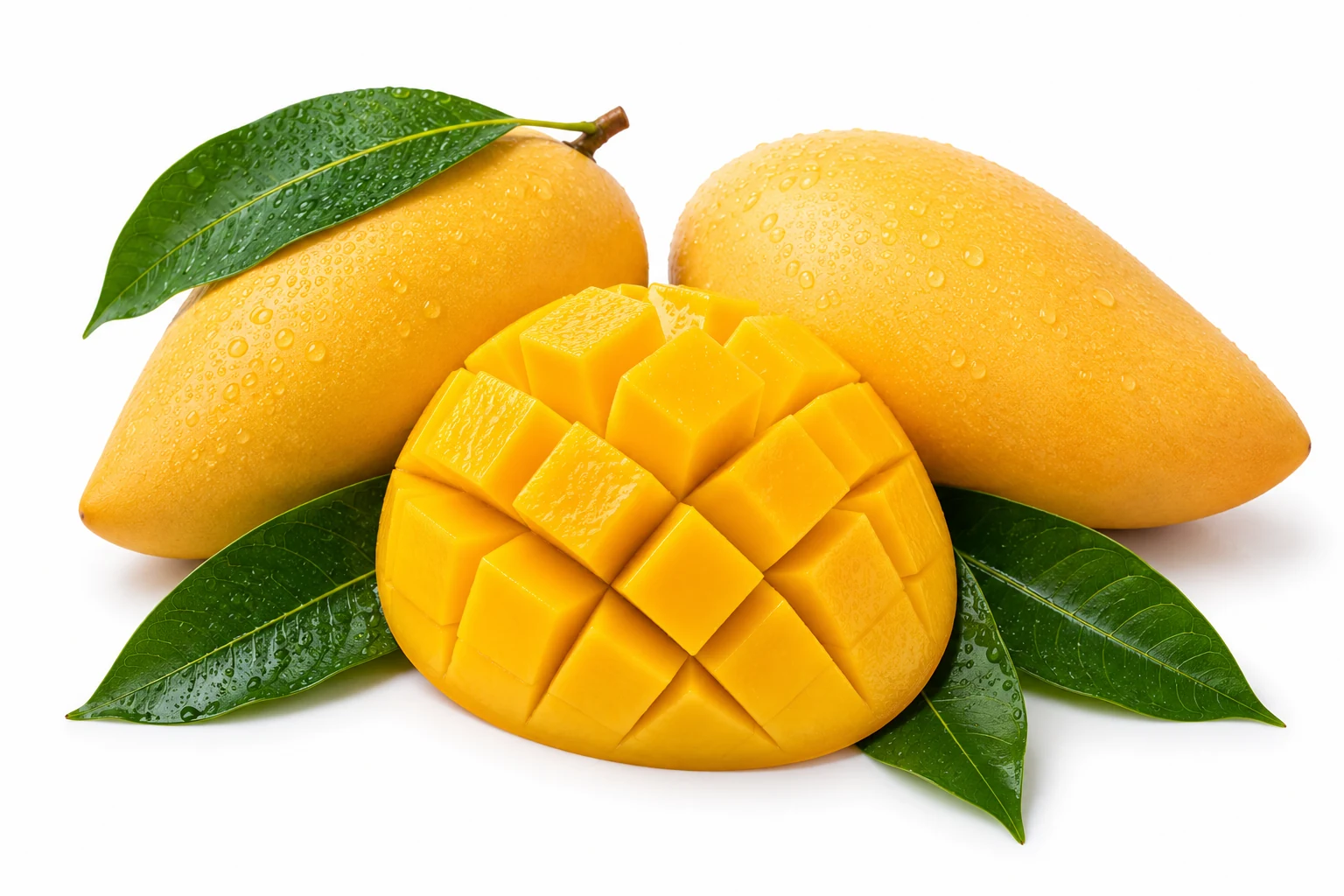
Thai tropical fruit for wholesale, retail and fresh produce sourcing programs.

Suitable for tropical-fruit assortments and specialty fresh produce programs.
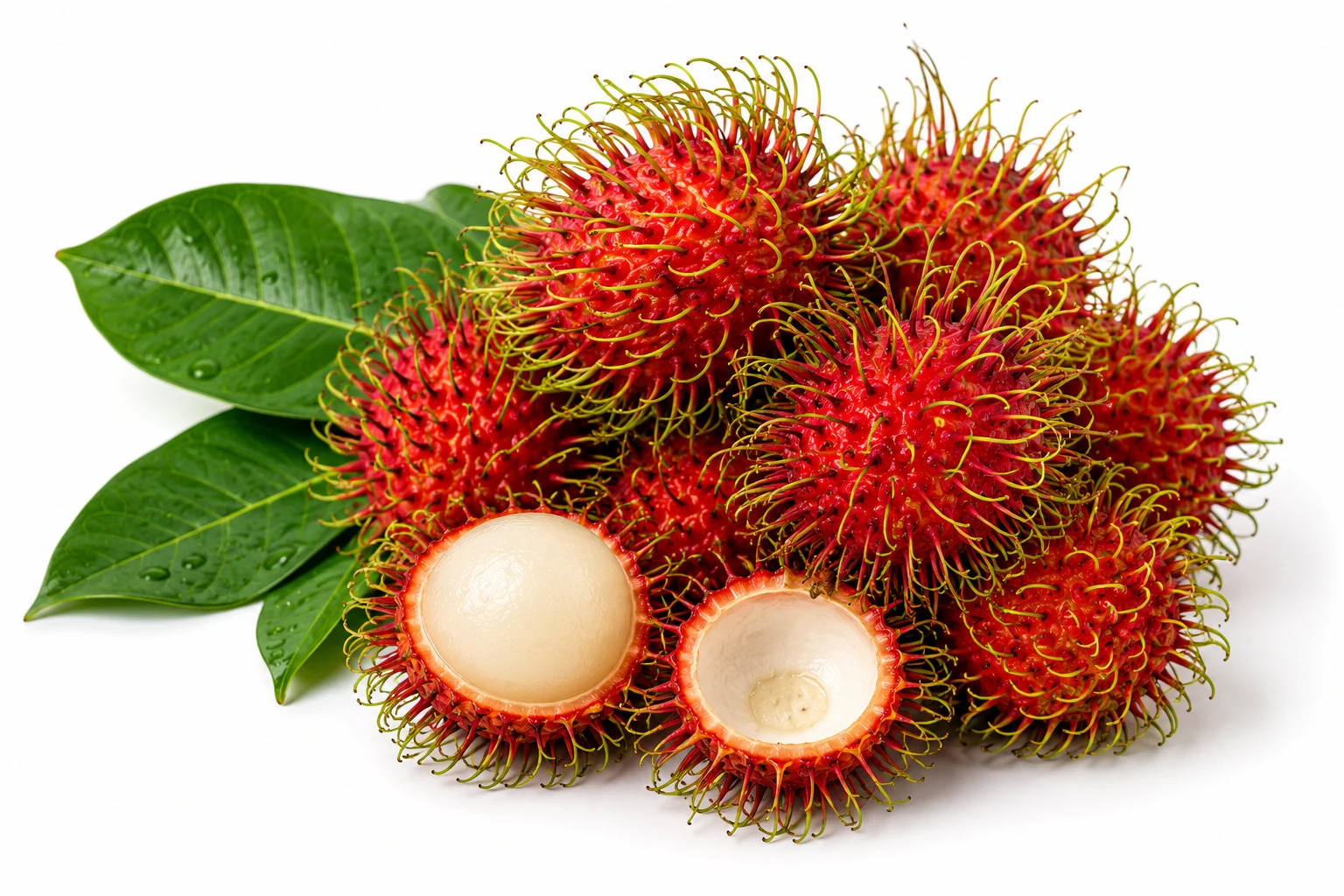
Complementary Thai tropical fruit for wholesale and Asian fresh-produce distribution.
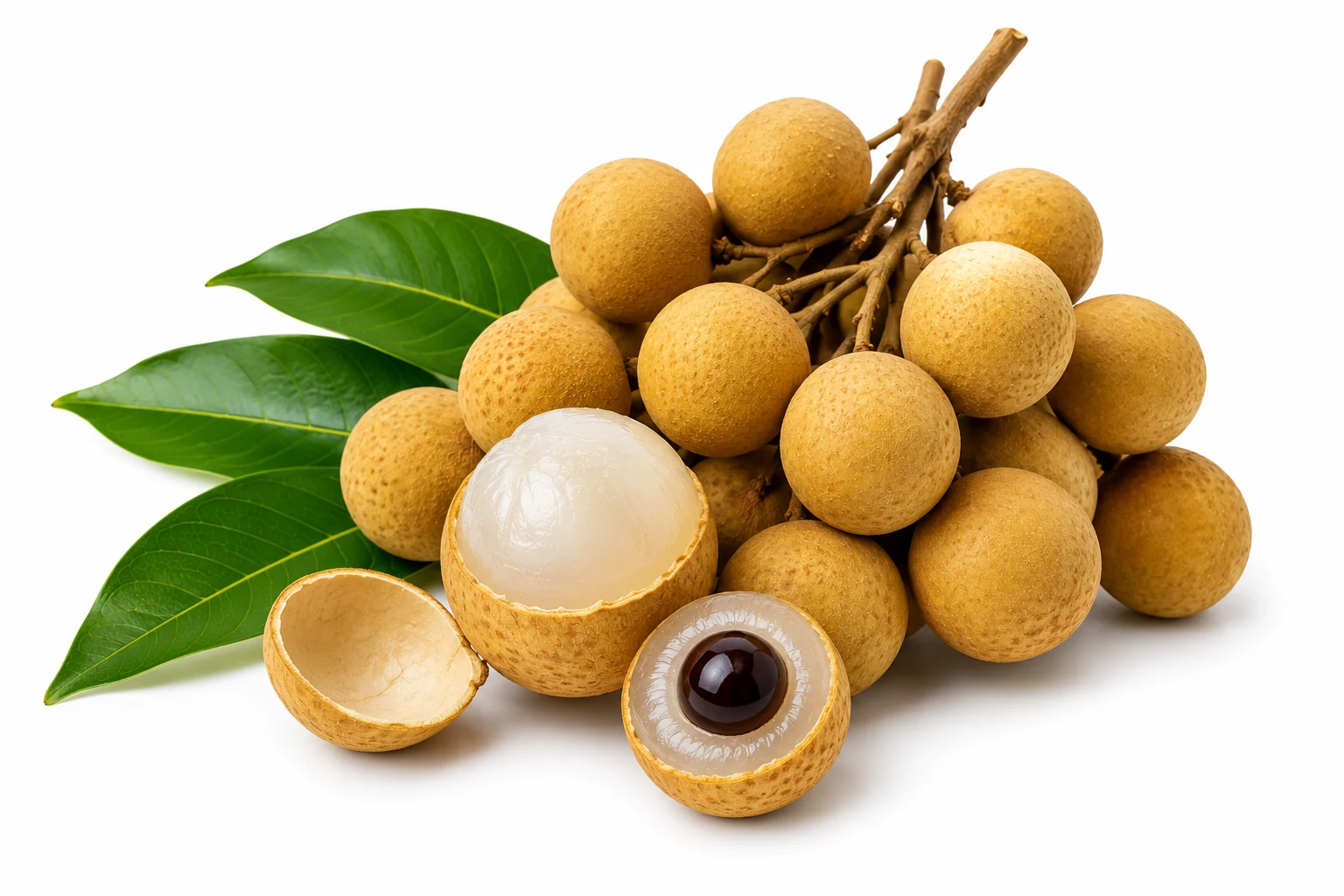
Relevant to many of the same importer and Asian grocery distribution channels.
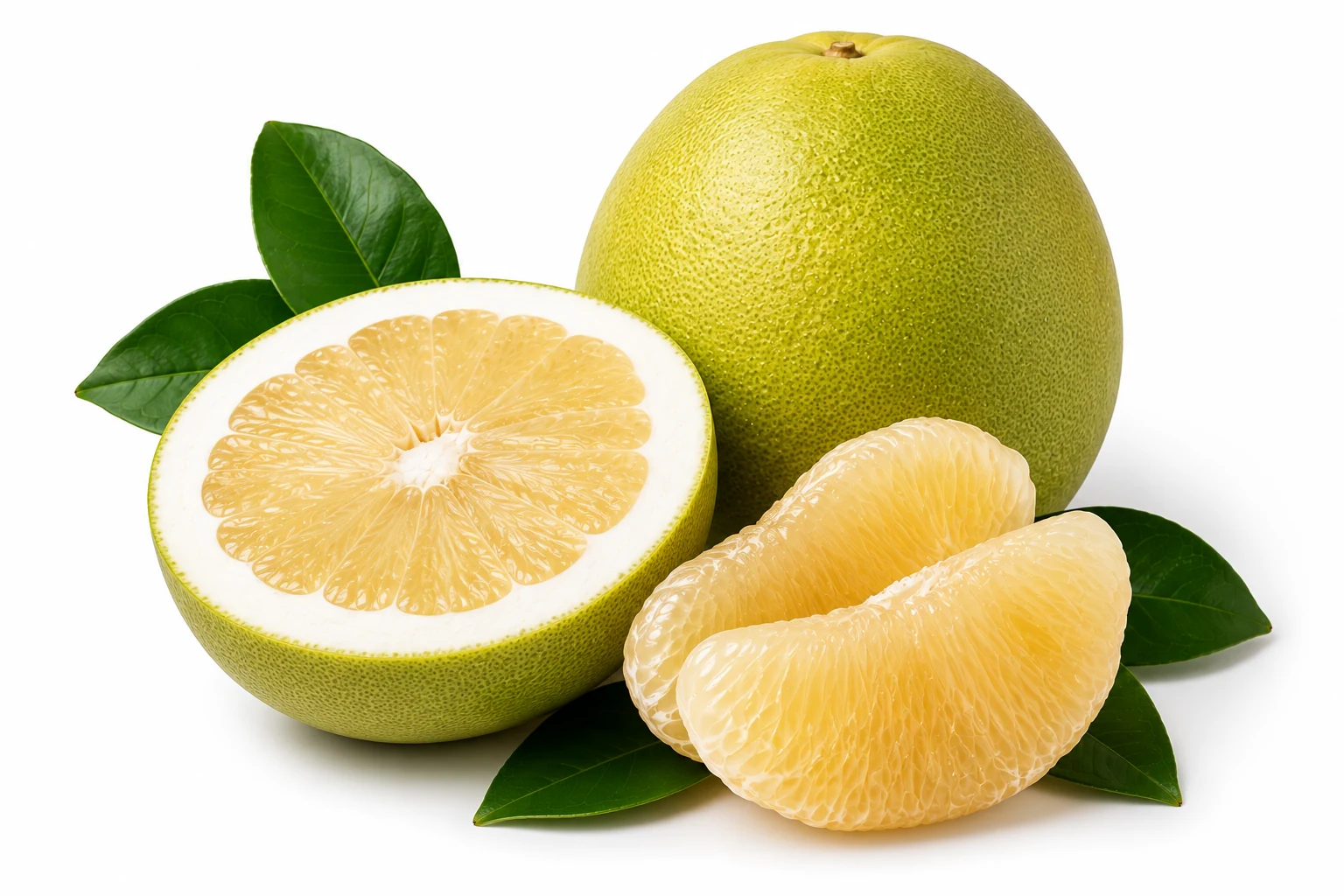
A complementary Thai fresh fruit for wholesale, retail and food-service distribution.
Keep only links whose destination pages are live and whose filenames match the production website.