Thailand Origin
Fresh whole star fruit sourced in Thailand, with commercial availability confirmed for the requested shipment window and final buyer specification.
Source fresh Thai star fruit, also known as carambola, from Thailand for international import, wholesale, distribution, retail and food-service requirements. ThaiMahapoke supports B2B buyers with product sourcing, commercial specification coordination, export packing requirements and shipment planning.
Variety, size, maturity, appearance, packing configuration, availability and commercial terms are confirmed according to each buyer inquiry.
A quick commercial overview for importers, wholesalers, distributors, retailers and food-service buyers evaluating Thai star fruit.
Fresh whole star fruit sourced in Thailand, with commercial availability confirmed for the requested shipment window and final buyer specification.
Averrhoa carambola L. is internationally known as both star fruit and carambola. The fruit is recognized by its longitudinal ribs and star-shaped cross-section when sliced.
Flavor and acidity vary by cultivar and maturity. Buyers should state the intended market and eating profile when variety or type is important.
Peel color progresses from green toward yellow as maturity advances. The required stage should be matched to transit time, distribution and intended use.
The raised ribs are visually distinctive but sensitive to abrasion and bruising, so handling and protective packing deserve specific attention.
Suitable for exotic-fruit displays, fresh presentations, fruit platters, decorative slices, beverages and selected culinary applications.
Sweet cultivars can suit fresh retail and food-service channels where eating quality is a priority. Exact cultivar availability is confirmed upon inquiry.
More tart or acidic fruit may suit selected culinary, beverage or processing requirements. The requested flavor profile should be stated when relevant.
Fwang Tung is a documented cultivar associated with Thailand, but ThaiMahapoke does not claim routine availability. Any named cultivar must be confirmed before quotation.
No universal ThaiMahapoke size grade is published on this page. Buyers may specify a preferred fruit-size range, individual fruit-weight range, dimensional requirement, count presentation or another recognized market specification. Final sizing is subject to the available crop and supplier specification.
Buyers may request a firmer commercial maturity for distribution or a more advanced yellow stage for shorter supply chains and near-term use. Final maturity and receiving condition should be agreed before quotation and shipment.
Accuracy note: No Grade A/B/C, fixed fruit count or fixed weight range is presented unless verified against the actual supply program.
| Buyer Requirement | Specification Focus | Commercial Consideration |
|---|---|---|
| Import / Distribution | Firmer commercial maturity, sound ribs, consistent condition | Balance handling resistance with the desired stage at destination. |
| Supermarket / Retail | Uniform size, color, shape and clean visual presentation | Rib condition and peel appearance are especially visible to shoppers. |
| Food Service | Usable maturity, attractive cross-section and consistent condition | Star-shaped slices are useful for platters, garnish and presentation. |
| Short Distribution Chain | Potentially more advanced yellow color | Receiving and consumption timing should be matched to maturity. |
| Processing / Beverage | Flavor profile, usable condition and yield requirements | Cosmetic criteria may differ from premium fresh retail, subject to buyer specification. |
Buyer consideration: For star fruit, maturity, firmness, rib condition and protective packing may be more commercially important than selecting the largest fruit.
Fresh Thai star fruit is the fruit of Averrhoa carambola L. and is known internationally as both star fruit and carambola. It has an elongated form with pronounced longitudinal ribs; when cut crosswise, the slices form the characteristic star shape that gives the fruit its common English name.
Depending on cultivar and maturity, the peel develops from green toward yellow. The flesh is generally crisp and juicy, while sweetness and acidity vary between commercial types. For B2B buyers, the important commercial variables include maturity, firmness, size consistency, peel appearance, rib condition, defect tolerance, protective packing and the required condition on arrival.
| Product Name | Fresh Thai Star Fruit |
|---|---|
| Alternative Trade Names | Star Fruit, Carambola, Starfruit |
| Botanical Name | Averrhoa carambola L. |
| Country of Origin | Thailand |
| Product Form | Fresh whole fruit |
| Variety / Type | Confirmed upon inquiry; subject to seasonal and supplier availability |
| Size / Weight | Buyer-defined and confirmed according to available crop |
| Maturity | Confirmed according to buyer requirements and shipment plan |
| Peel Color | Green-to-yellow stage according to agreed maturity specification |
| Texture / Firmness | Condition appropriate to the agreed maturity and intended distribution plan |
| Rib Condition | Buyer acceptance criteria may address browning, abrasion, bruising and physical damage |
| Appearance / Defects | Tolerance for blemishes, scars, insect damage, bruising, decay or other defects should be defined in the final specification |
| Packaging | Confirmed before quotation according to fruit, protection requirement, quantity and destination |
| Storage / Temperature | Confirmed according to cultivar, maturity, shipment protocol and destination requirements; no universal temperature is claimed on this page |
| Inspection | Buyer-requested or third-party inspection may be discussed subject to agreed scope and arrangement |
Final specification: Commercial acceptance criteria should be agreed against the actual supply lot before quotation or shipment.
Star fruit packaging should reduce rubbing, compression and uncontrolled fruit movement because the raised ribs can show abrasion and browning.
Commercial cartons may be used where carton strength, ventilation and internal protection are matched to fruit size, shipment method and destination handling.
Trays, separators, layer arrangements or other protective formats may be considered where minimizing fruit-to-fruit movement and rib contact is important.
Where appropriate and available, protective materials may help reduce direct rubbing or abrasion. Material and packing configuration require supplier confirmation.
Smaller consumer packs, trays, labels, barcodes or buyer branding may be discussed subject to order quantity, format and supplier capability.
Not pre-set: Pieces per carton, net weight, gross weight, pallet quantity and container loading quantity are confirmed only after the actual packing configuration is agreed.
| MOQ | Confirmed upon inquiry |
|---|---|
| Order Quantity | Subject to product, crop and supplier availability |
| Seasonal Availability | Confirmed for the requested shipment window |
| Variety / Type | Confirmed upon inquiry |
| Size / Maturity | Subject to final buyer specification and available supply |
| Packaging | Confirmed before quotation |
| FOB | May be requested; final basis and shipment point confirmed in quotation |
| CIF | May be requested subject to destination, route and logistics arrangement |
| Destination Country | Required for export feasibility and quotation review |
| Port / Airport | Required where applicable |
| Shipment Method | Confirmed based on quantity, route, transit time, product condition and destination requirements |
| Lead Time | Confirmed upon inquiry |
| Inspection | Subject to buyer requirement and agreed arrangement |
| Payment Terms | Confirmed in the commercial quotation |
| Documentation | Confirmed according to destination and shipment requirements |
Suitable for importers building tropical and exotic fresh-fruit assortments, subject to destination eligibility and shipment feasibility.
Can complement tropical-fruit programs serving specialty retailers, Asian groceries, supermarkets and food-service customers.
The fruit's unusual shape gives strong visual differentiation. Retail programs should emphasize uniformity, maturity, rib condition and presentation.
Hotels, restaurants, caterers and food-service distributors may use star fruit for platters, salads, desserts, beverages and decorative star-shaped slices.
Juice or other processing applications may be considered where flavor profile, usable condition and economics match the buyer's specification.
Specify maturity according to the expected transit and distribution chain. Firmer commercial fruit may be better suited to handling than fruit selected for immediate consumption.
Quality checks should pay close attention to damaged ribs, edge browning, abrasions, pressure marks, bruising and visible skin discoloration.
Water loss can affect appearance and contribute to shriveling or more visible rib browning. Packing and handling should therefore limit unnecessary dehydration while maintaining an appropriate produce environment.
Wounds and bruises can reduce marketability and may increase postharvest risk. Careful sorting, packing and movement through the supply chain are important.
No single storage temperature is promised on this page because cultivar, maturity, source and shipment protocol can affect the appropriate regime and chilling sensitivity. Final handling instructions must be confirmed for the actual shipment.
Buyer-defined or third-party pre-shipment inspection may be discussed. Scope, agency, responsibility, timing and cost must be agreed before shipment.
Private-label or customized packing may be available depending on order quantity, packaging format, supplier capability and final confirmation.
Custom carton artwork, buyer branding or market-specific information may be discussed after pack format and quantity are confirmed.
Product name, country of origin, barcode, lot information or destination-language labeling can be reviewed according to buyer and market requirements.
Retail trays or other smaller pack formats may be considered where supplier capability and order economics support the requested configuration.
Star fruit-specific point: Branding and presentation should not compromise the internal protection needed to reduce rubbing and rib damage.
ThaiMahapoke supports international B2B buyers as a Thailand sourcing and export-coordination partner without relying on unsupported ownership or production claims.
Coordinate suitable supply according to product, maturity, quantity, shipment window and buyer requirements.
Clarify variety, size, maturity, appearance, defect tolerance, packing and receiving-condition requirements before quotation.
Review export-packing requirements with attention to the protection of star fruit ribs and the planned distribution chain.
Where requested, buyer or third-party inspection requirements can be discussed under an agreed commercial arrangement.
Required export or destination documentation can be reviewed according to the product, shipment and applicable destination requirements.
FOB, CIF and shipment options can be evaluated according to quantity, route, transit requirement and the condition required on arrival.
Provide variety or type, size, maturity, quantity, packing, destination and shipment requirements for a relevant quotation. No unverified FOB price, MOQ, lead time or loading quantity is published on this page.
Do not send an RFQ that says only “fresh star fruit.” State the required peel-color or maturity stage and the condition needed at destination.
Specify rib condition, peel color, abrasions, scars, bruising, insect damage, decay and the level of visual uniformity required by your market.
Use a target fruit-weight range, dimensional requirement, count presentation or agreed supplier sizing rather than assuming a universal “medium” or “large” grade.
Protective packing should reduce rubbing, compression and movement because rib damage is highly visible on star fruit.
Plan packing stage, transit, customs clearance, onward distribution and intended selling or consumption stage as one continuous supply chain.
Do not copy a generic temperature or shelf-life number into the contract. Confirm handling conditions against the actual cultivar, maturity, source and shipment protocol.
The importer should verify applicable import eligibility, plant-health requirements, documents, labeling, inspection and other destination rules before final order confirmation.
A strong inquiry includes Product + Variety/Type + Size + Maturity + Appearance Tolerance + Quantity + Packaging + Destination + Port/Airport + Incoterm + Shipment Method + Inspection Requirements.
Complementary Thai fresh fruits relevant to similar importer, wholesale, specialty-retail and food-service buyer groups.
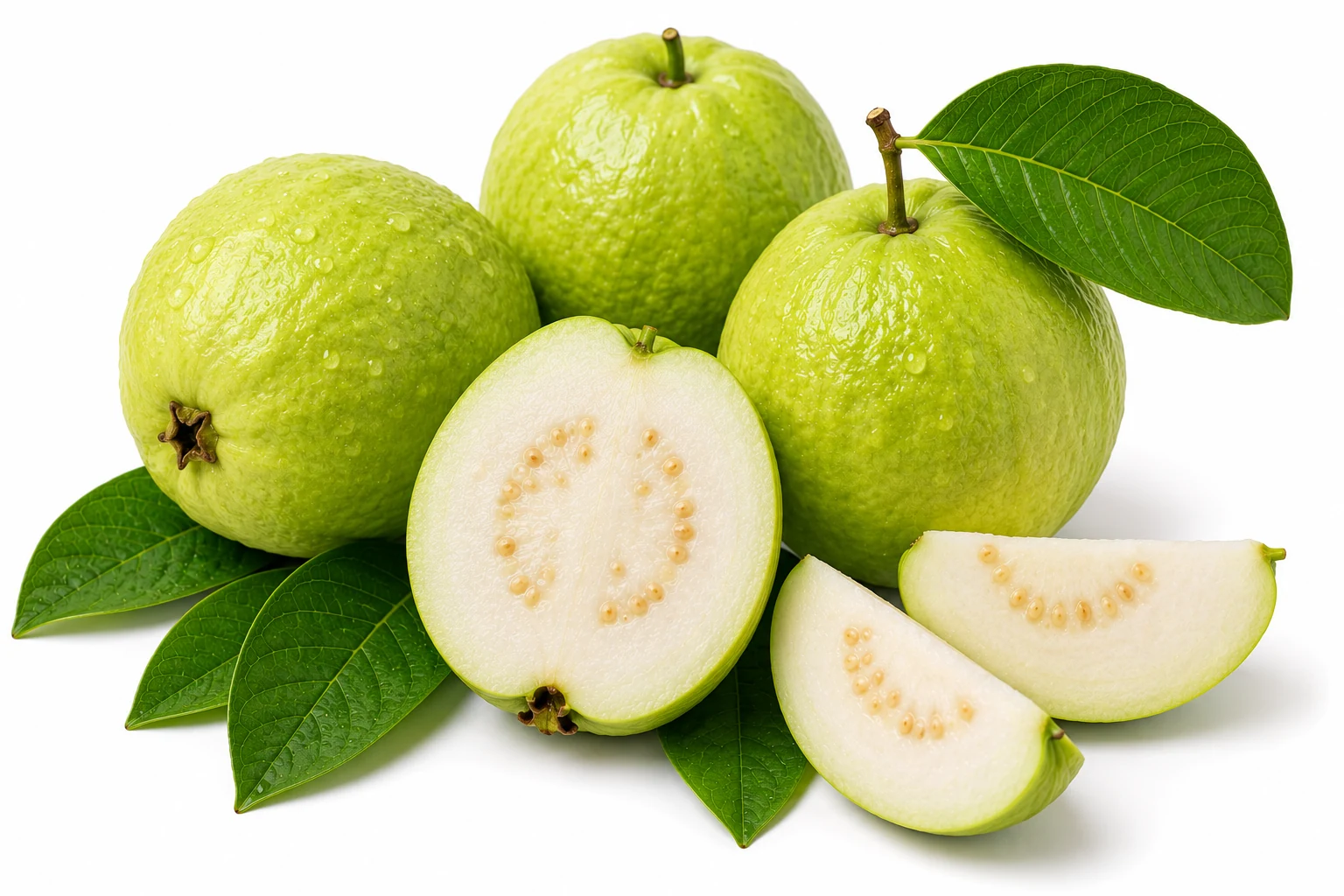
For fresh produce importers, Asian grocery distribution and wholesale fruit programs.
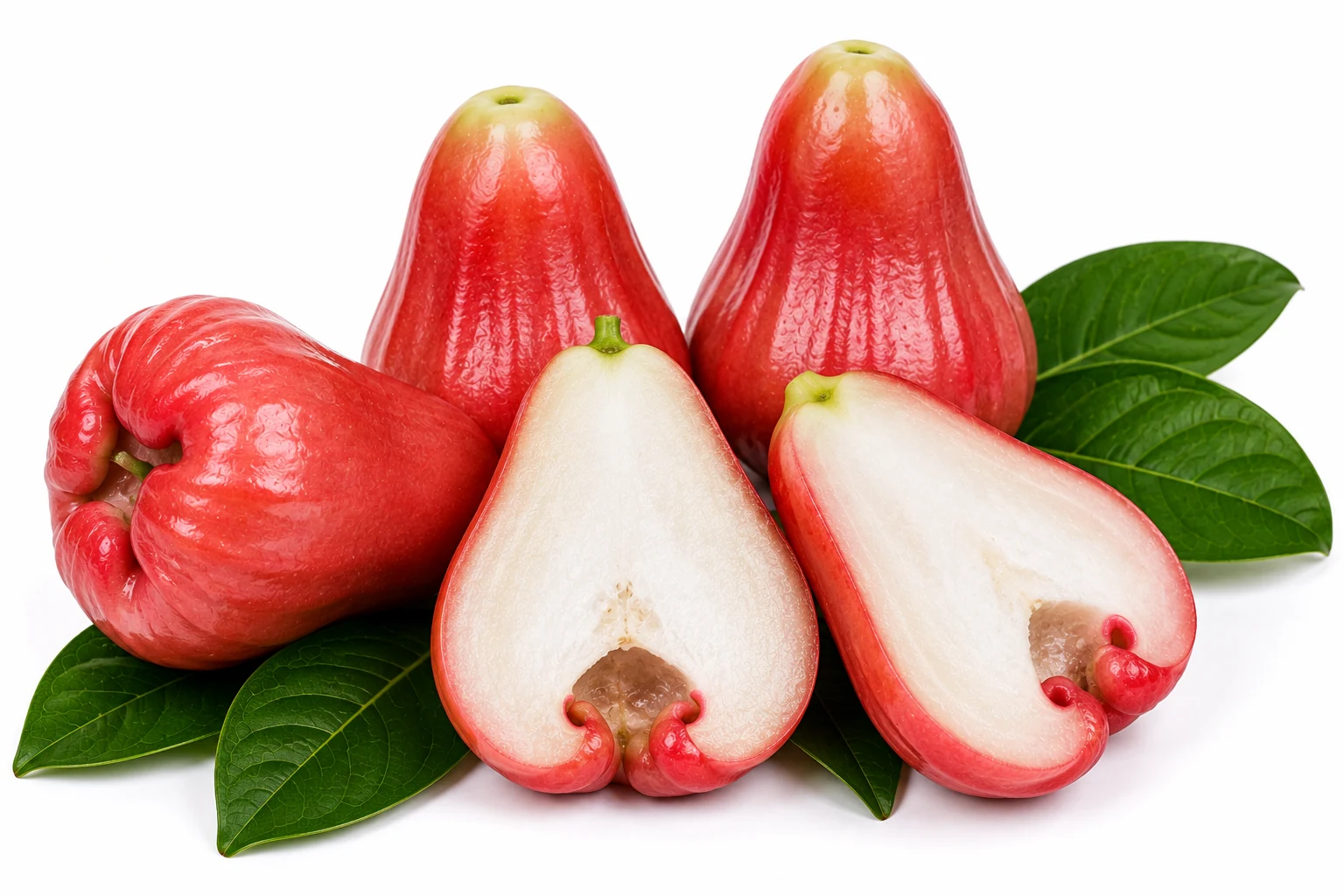
A visually distinctive Thai fresh fruit for specialty retail and fresh produce distribution.

Suitable for tropical-fruit assortments and specialty fresh produce programs.
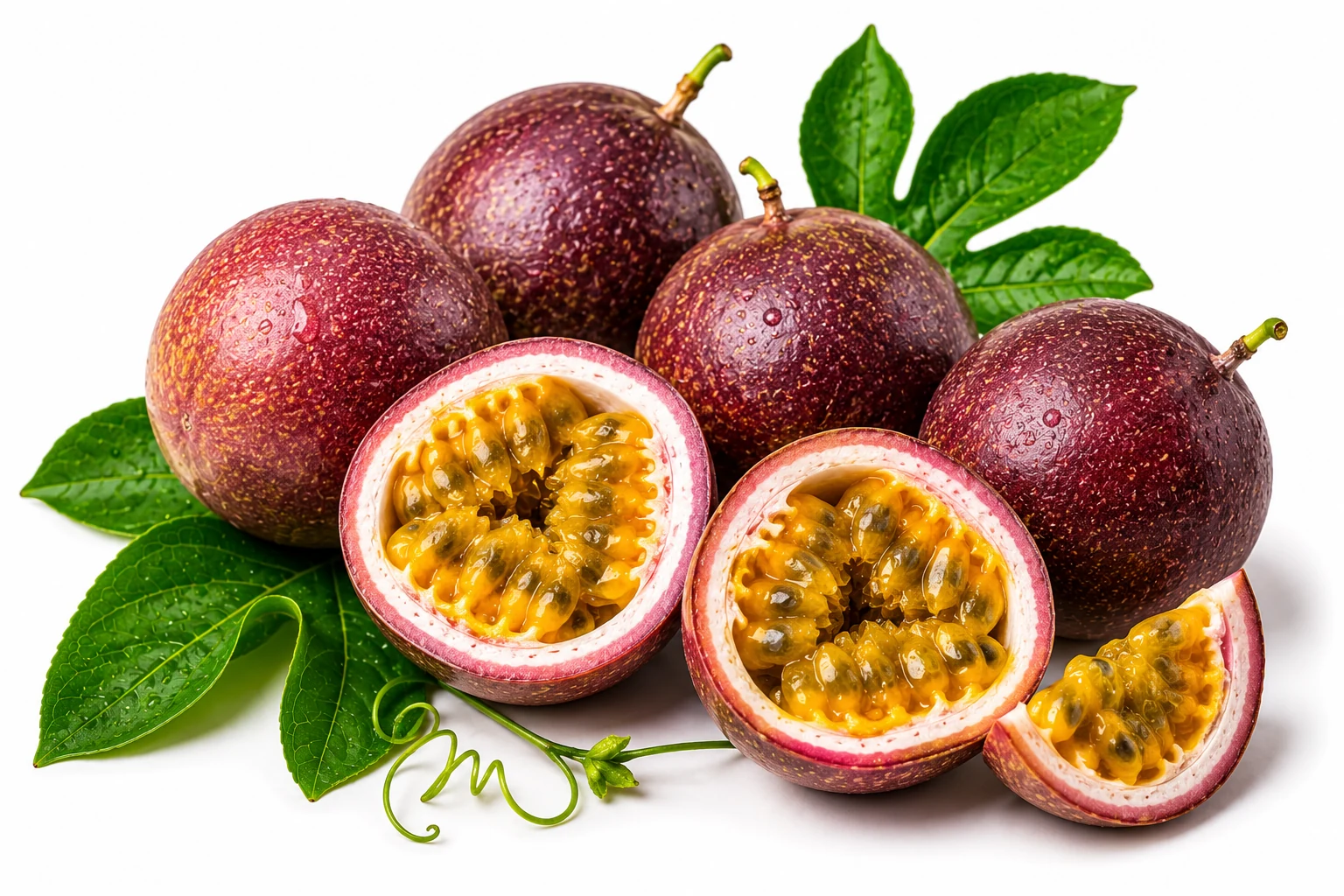
Complementary for specialty produce, food service and beverage channels.
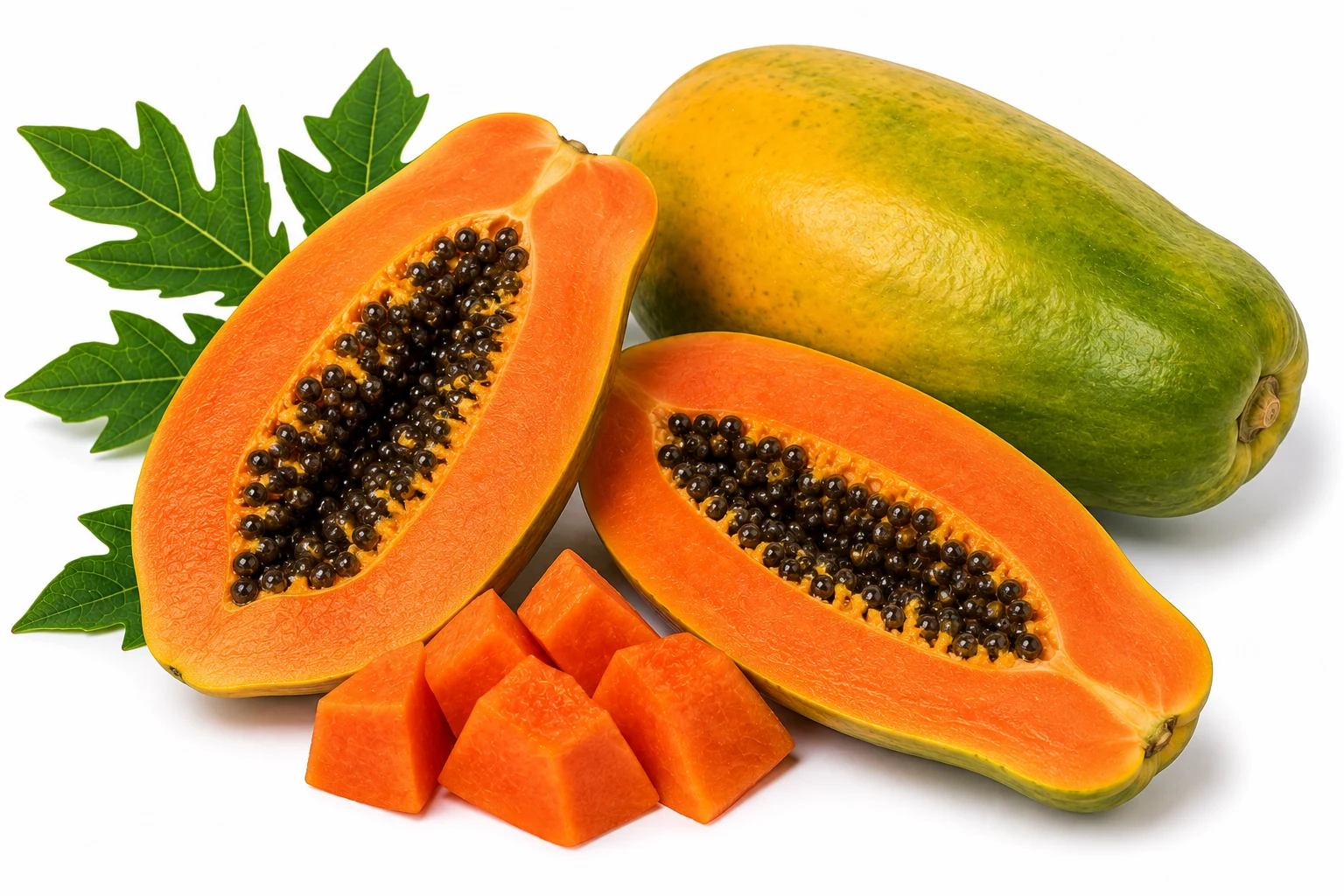
Relevant for fresh produce importers, wholesale distribution and food-service programs.
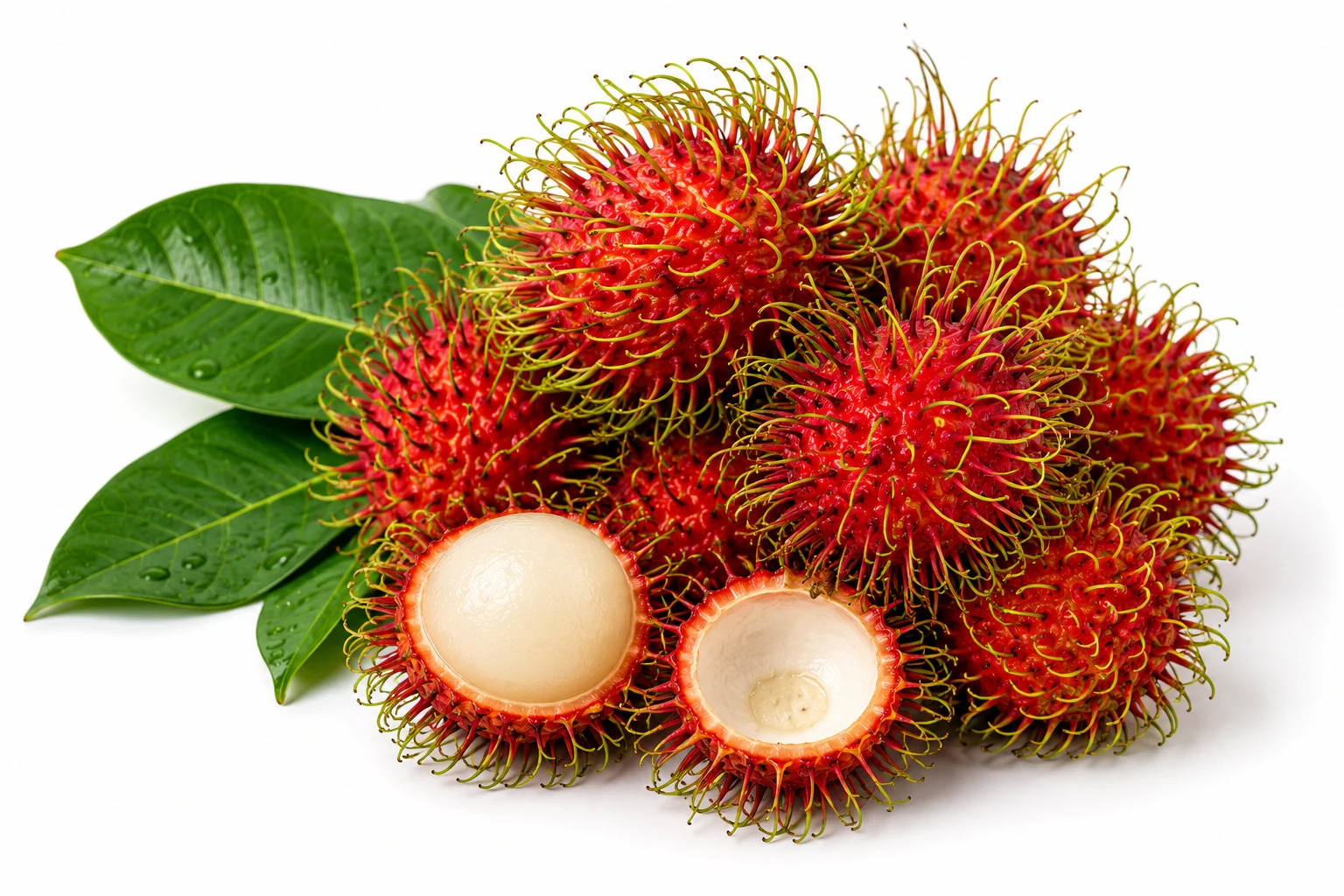
A complementary tropical fruit for exotic-fruit import and distribution programs.
Keep only links whose destination pages are live and whose filenames match the production website.